
NEWS
08-20, 2026
為什麼 2026 年 Memory 記憶體這麼貴?一次看懂 AI、HBM、DRAM 與 SSD 漲價原因
Why Memory Prices Are Rising in 2026: AI, HBM, DDR5, and Enterprise SSD Demand
Rapid growth in AI servers and data centers is reshaping the global memory market. Enterprises purchasing DRAM, SSDs, servers, or industrial systems are facing higher prices, tighter allocations, and longer lead times for some specifications.
This is not caused by a single shortage. AI demand, production-capacity allocation, the transition from DDR4 to DDR5, and growing enterprise SSD requirements are affecting the market at the same time.
Simply put, AI infrastructure requires more than GPUs. It also consumes large amounts of memory, storage capacity, and data bandwidth.
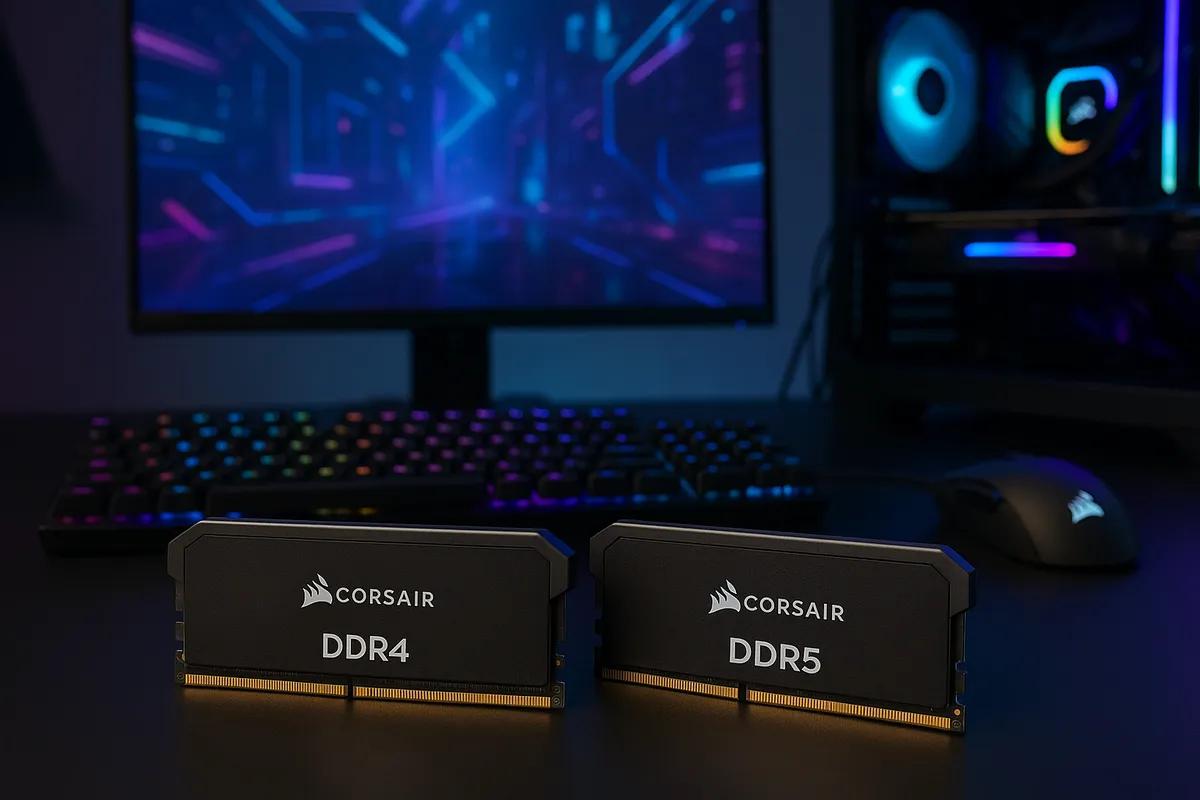
Why Are Memory Prices Rising in 2026?
Memory prices are rising because demand from AI servers and data centers is growing faster than near-term supply, while manufacturers prioritize HBM, server DRAM, and other higher-value products.
Six factors are shaping the market:
- AI training and inference are increasing demand for HBM and server DRAM.
- Memory manufacturers are allocating more resources to HBM and high-capacity DDR5.
- DDR4 production is declining while demand remains in industrial and existing platforms.
- New wafer and packaging capacity takes years to build and qualify.
- AI inference, RAG, and agentic applications are increasing enterprise SSD demand.
- Supply constraints are reaching contract prices, modules, SSDs, and complete systems.
In its second-quarter 2026 forecast, TrendForce projected conventional DRAM contract prices to rise 58–63% quarter over quarter and NAND Flash contract prices to increase 70–75%. The firm attributed the increases to tight supply, AI server demand, and capacity moving toward server and HBM applications.
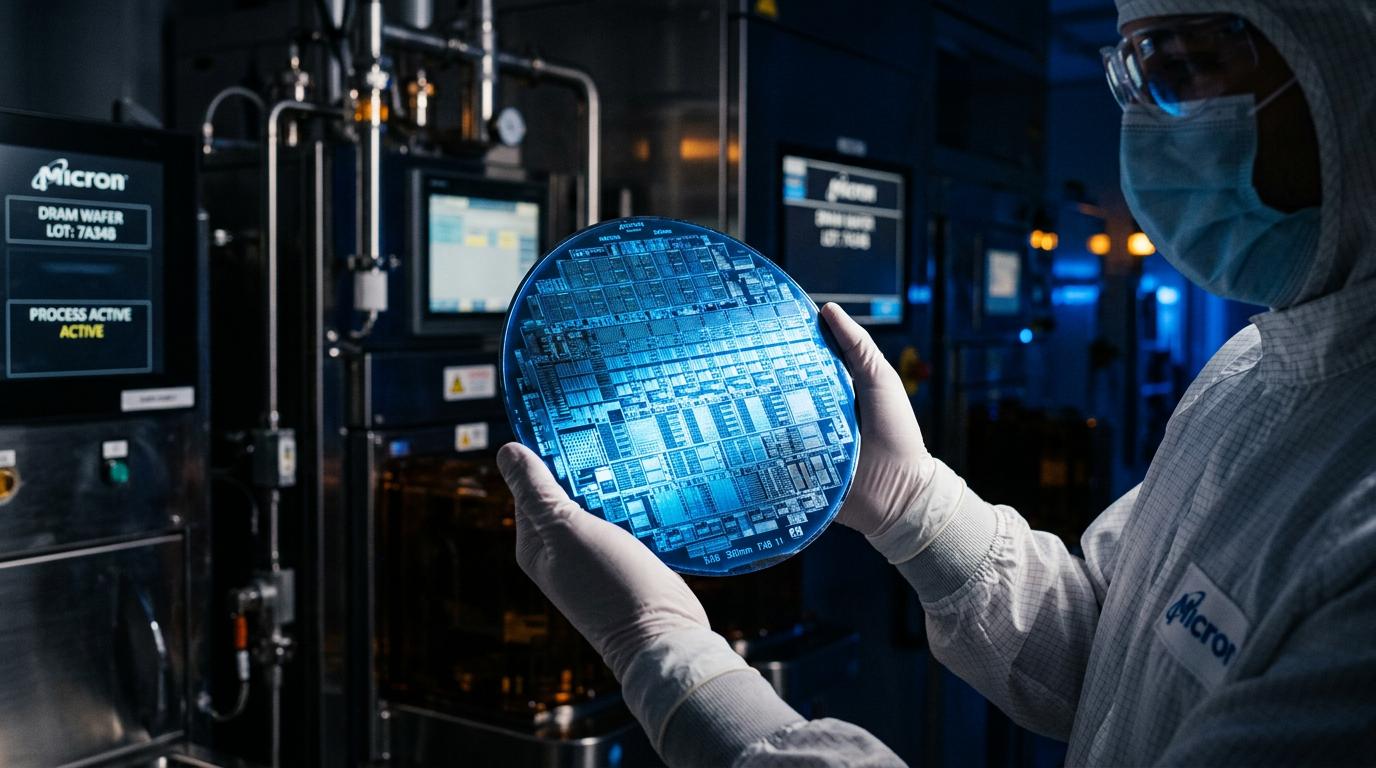
Why Does AI Require So Much Memory?
AI accelerators need a continuous supply of data. If memory capacity or bandwidth cannot keep up, processors may spend time waiting instead of performing useful computation.
This growing gap between computing performance and data-delivery performance is commonly called the memory wall.
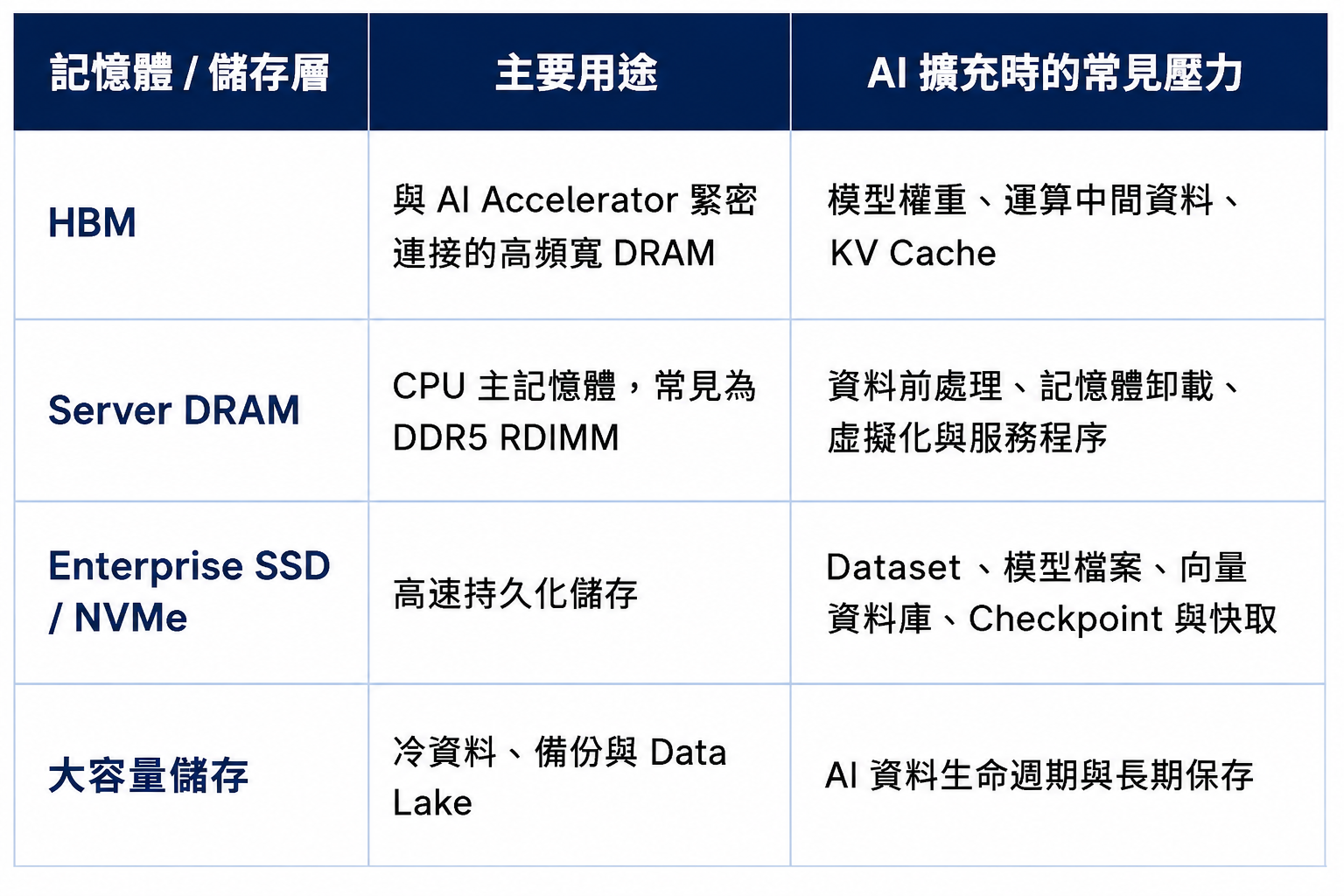
A complete AI infrastructure may include:
- GPU, NPU, or another AI accelerator
- HBM attached to the accelerator
- Server DRAM for the CPU
- Enterprise or NVMe SSDs
- High-speed networking
- Shared or distributed storage
AI infrastructure should therefore be evaluated as a complete data path:
Computing × Memory × Storage × Network
Comparing accelerator specifications alone does not provide a complete picture of application performance.
How Do LLMs Use Memory During Inference?
Two major sources of memory consumption during large language model inference are model weights and the KV cache.
Model Weights
Model weights are the parameters created during training. They generally need to be loaded into high-speed memory before the model can perform inference.
The approximate weight memory depends on the parameter count and numerical precision. Quantization can reduce this requirement, although it may also affect model quality or compatibility.
KV Cache
The key-value cache, or KV cache, stores intermediate information generated by a Transformer model. It avoids repeating earlier calculations when producing subsequent tokens.
KV cache requirements generally increase with:
- Longer context windows
- More concurrent users
- Larger batch sizes
- Additional generated tokens
- Model architecture and precision
GPU memory is also required for activations, communication buffers, and runtime operations. Model parameter count alone is therefore insufficient for estimating total memory requirements.
How Does HBM Demand Affect Conventional DRAM?
HBM and conventional DDR memory are not interchangeable, but they compete for some upstream manufacturing, engineering, investment, packaging, and testing resources.
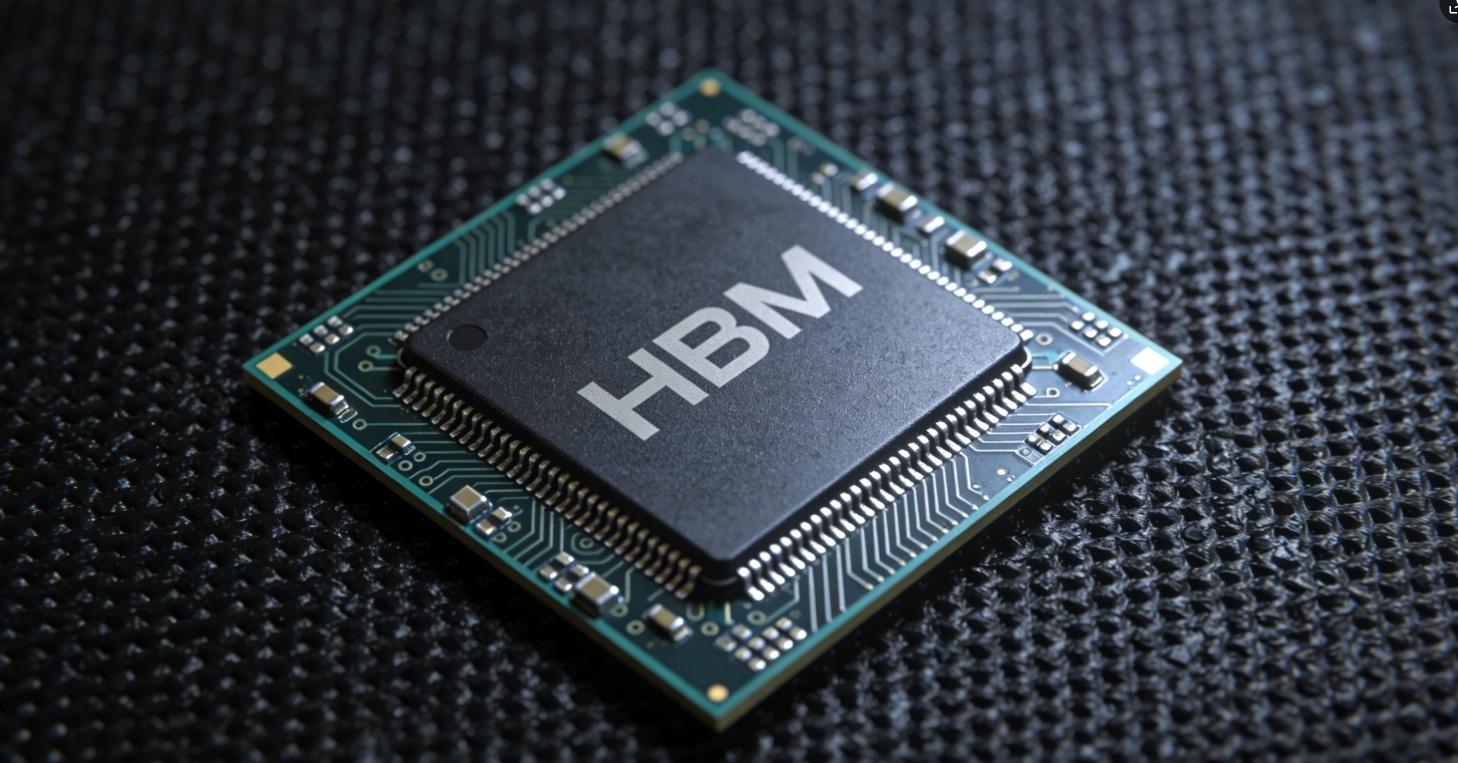
HBM, or High Bandwidth Memory, is a form of DRAM designed to provide very high bandwidth with efficient data movement. It is commonly integrated with AI GPUs and other high-performance accelerators.
HBM production requires advanced processes such as die stacking, through-silicon vias, packaging, and extensive testing. Strong demand for HBM and high-capacity server DDR5 encourages manufacturers to prioritize:
- Advanced wafer capacity
- Engineering and research resources
- Packaging and testing investments
- Capital expenditure
- High-value server and data center customers
It would be inaccurate to assume that producing one HBM device directly removes one DDR device from the market. The more precise explanation is that growing HBM and server-memory demand influences how manufacturers allocate limited resources.
Micron’s fiscal third-quarter 2026 remarks noted that data center DRAM and NAND bit shipments in calendar 2026 were expected to more than double compared with two years earlier. Samsung has also identified HBM4, DDR5, and other high-value memory products as priorities for AI platforms.
Even companies that do not purchase AI GPUs can therefore be affected by changes in global memory investment and capacity allocation.
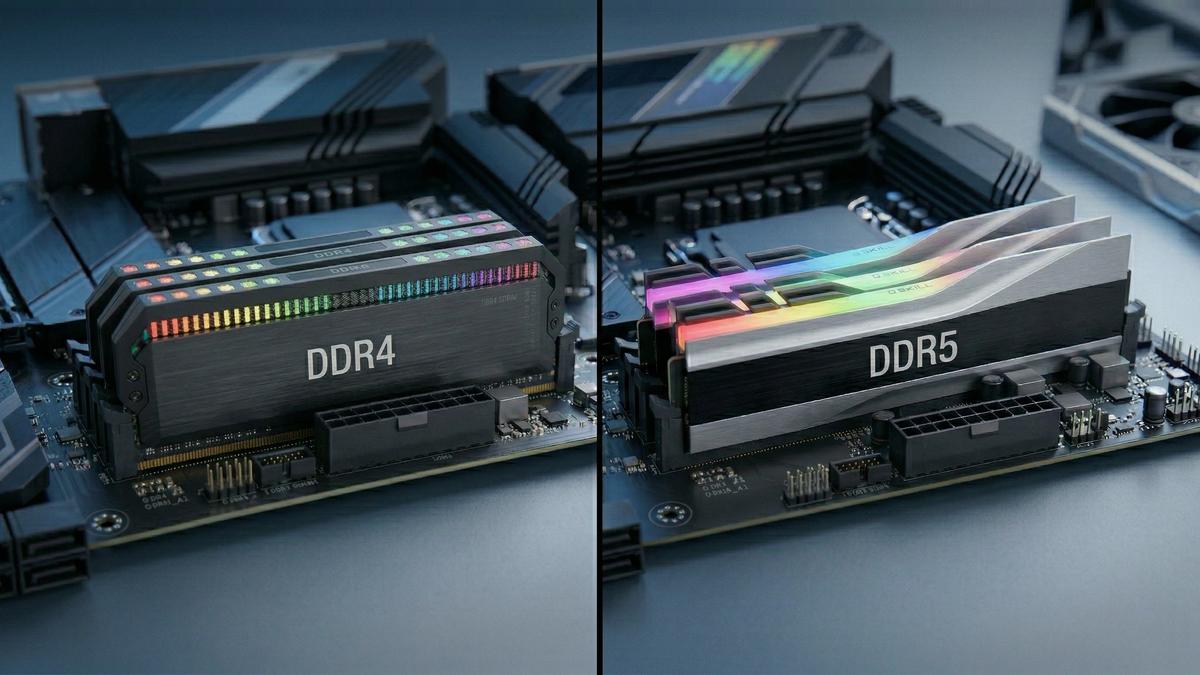
Why Can DDR4 Become More Expensive as It Gets Older?
An older memory generation does not automatically become cheaper. Prices can rise when production falls faster than demand.
DDR4 remains widely used in:
- Industrial computers
- Embedded systems
- Existing servers
- Networking equipment
- Telecommunications systems
- Automation and control equipment
- Qualified enterprise platforms
These systems cannot always migrate directly to DDR5. A platform change may require a new CPU, motherboard, BIOS, firmware, thermal design, operating-system validation, certification, and customer requalification.
For OEMs, ODMs, and industrial equipment manufacturers, the cost and time required to redesign a platform may be greater than the price difference between memory modules.
The resulting supply pattern is straightforward:
Demand Remains → Production Declines → Qualified Sources Decrease → Supply Tightens → Prices Rise
Companies that depend on DDR4 should evaluate supply continuity rather than assuming that an older product will remain inexpensive.
Important questions include:
- How many qualified suppliers remain?
- Has a product change or end-of-life notice been issued?
- How long will the required part number remain available?
- How long will an alternative component take to qualify?
- How many production cycles can current inventory support?
Why Can’t Memory Supply Increase Quickly?
Semiconductor capacity cannot be expanded within a few weeks. New output may require:
- Fab construction or production-line expansion
- Equipment installation
- Process development
- Yield improvement
- Product testing
- Customer qualification
- Stable volume production
Converting an existing line to another product also takes time and can temporarily reduce output.
Memory manufacturers must additionally avoid creating excessive capacity that could enter production after demand has weakened. Prices and lead times can therefore react much faster than physical supply.
Why Is AI Increasing Enterprise SSD Demand?
AI systems require fast storage for datasets, model files, checkpoints, vector databases, inference caches, and application data.
This is increasing demand for:
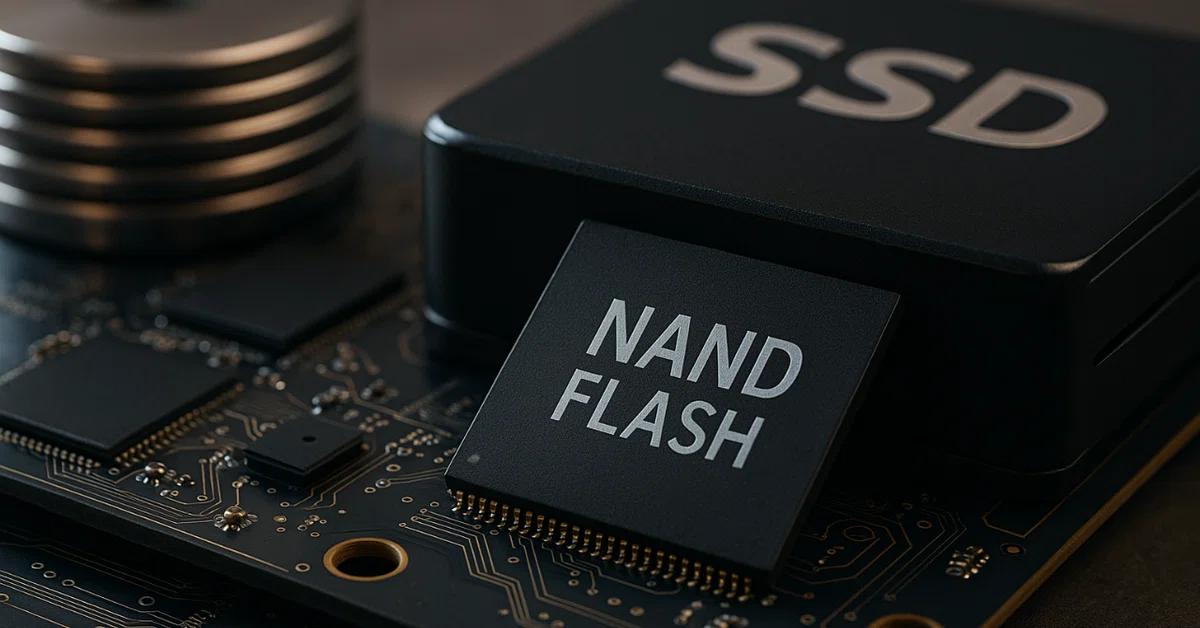
- Enterprise SSDs
- High-capacity NVMe SSDs
- High-IOPS storage
- NAND Flash
- Distributed storage
- AI dataset repositories
Retrieval-Augmented Generation (RAG) retrieves relevant information from an external knowledge source before asking a model to generate an answer. Enterprise RAG systems may continuously write, update, and query document indexes and vector databases.
Agentic AI can increase storage activity further by creating longer workflows, maintaining more context, and repeatedly retrieving data. TrendForce expects expanding inference workloads to support demand for high-capacity and nearline enterprise SSDs through 2027.
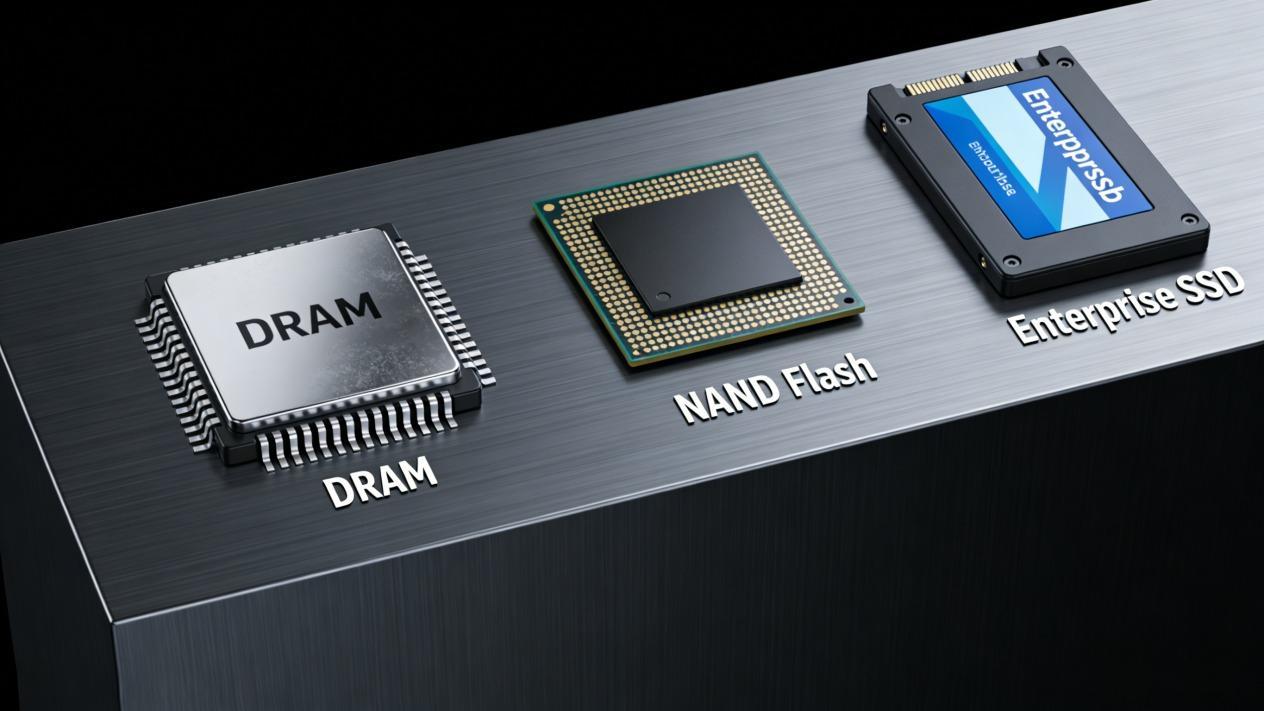
DRAM and NAND Flash remain separate markets, however. They have different production processes, suppliers, inventories, and demand structures. Rising DRAM prices do not mean every SSD will increase by the same percentage.
Why Don’t Chip Prices Match Module or System Prices?
Businesses should distinguish between several types of pricing:
Contract Prices
Prices negotiated between manufacturers and large customers for recurring, high-volume purchases.
Spot Prices
Prices for smaller quantities traded in the immediate market. These can react quickly to inventory changes and shortage concerns.
Module and SSD Prices
These include more than memory ICs. Controllers, PCBs, firmware, testing, certification, branding, warranties, and distribution also affect the final price.
Complete System Prices
Server, workstation, and industrial-computer quotations are also influenced by CPUs, GPUs, motherboards, power supplies, cooling, exchange rates, inventory, and support requirements.
Products with different capacities, speeds, ECC support, temperature ratings, memory ICs, and supply guarantees may follow different pricing trends.
Enterprises should compare equivalent specifications, quantities, warranties, and purchasing terms rather than using chip spot prices alone.
When Could Memory Prices Begin to Stabilize?
There is no reliable way to predict the exact month when prices will fall. Instead, procurement teams should monitor evidence that supply and demand are beginning to rebalance:
- Contract-price increases slow for several consecutive quarters.
- Manufacturer and module-supplier inventories begin rising.
- Lead times for server DRAM, HBM, and enterprise SSDs shorten.
- Announced wafer and packaging capacity reaches stable production.
- AI data center capital expenditure begins slowing.
Even if average market prices decline, a specific DDR4 or industrial part number may remain expensive because of reduced production or a limited number of qualified suppliers.
A lower market average does not guarantee that a required component will become readily available.
What Should Enterprises Do Now?
Organizations planning hardware purchases should focus on supply continuity and platform compatibility rather than trying to identify a single market-price peak.
Recommended actions include:
- Forecast memory and storage requirements for the next 6–12 months.
- Confirm lead times for approved part numbers.
- Review PCN and EOL notices.
- Qualify alternative suppliers where possible.
- Separate spot-price movements from actual module quotations.
- Validate DDR4-to-DDR5 migration costs before changing platforms.
- Size AI systems across computing, memory, storage, and networking.
- Avoid overbuying without a demand and inventory plan.
The objective is not to purchase at any price. It is to reduce the risk of production delays, incompatible substitutions, and urgent procurement.
Plan Memory, Storage, and AI Infrastructure as One System
The 2026 memory market is being shaped by AI server expansion, HBM and server DDR5 demand, changing production priorities, mature-memory supply reductions, and growing enterprise SSD requirements.
For enterprises, the most important question is no longer only:
“What is the current price per gigabyte?”
The better questions are whether the required specification can be supplied consistently, whether it is compatible with the platform, and whether its product life cycle can support future production plans.
EngineStar helps enterprises evaluate memory, enterprise SSD, and AI server configurations based on platform requirements, expected demand, lead times, and product life cycles.
Contact EngineStar to discuss your memory, storage, and AI infrastructure requirements for the next 6–12 months.
11:21 AM
